
Support Seating Technology
We advance seated health by pairing real-world insight, from users and their seating teams, with a fresh view of the market.
In doing so, Kalogon drives the development of better complex rehab technologies, and furthers our mission to eliminate stresses of sitting.
That same approach extends beyond healthcare, informing seating solutions wherever prolonged sitting impacts comfort, performance, and well-being.
Revascularize tissue and restore blood flow.
Clinically validated to provide pressure relief comparable to a manual offload, Kalogon’s Advanced Pressure Management System (APMS) works continuously to vascularize tissue and maintain blood flow in high-risk areas by performing targeted pressure redistributions every 2, 3, or 5 minutes. The combination of machine learning and patent-pending core technology keeps up with the user's pressure, movements, and activities of daily living (ADLs). Kalogon recommends that users follow their existing pressure relief protocols in combination with APMS for maximum efficacy.
Featured in: Orbiter Med and Orbiter Classic


Seating that adapts to you, not the other way around.
Adaptive Reactive Customizations create automatic adjustments as you move, lean, and shift, delivering dynamic support that helps protect your skin while maintaining positioning. Personalized app settings allow targeted areas of the cushion to respond based on the user’s body, positioning needs, and daily activities. These customizations help maintain support while adapting to movement throughout the day.
Featured in: Orbiter Med and Orbiter Classic
Adjustments based on you and your surroundings.
Ambient Sensing continuously monitors external pressure and environmental changes. The system automatically adjusts in real time to help maintain consistent performance as the user experiences changes such as altitude or temperature.
Featured in: Orbiter Med, Orbiter Classic, and Booster
Precision without constant adjustment.
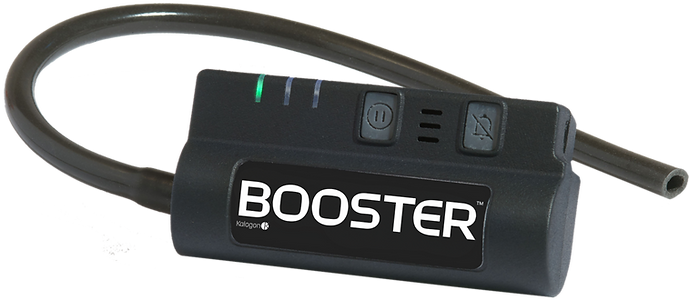
Kalogon’s Air Management System controls pressure within the cushion to deliver responsive support, essentially automating the pumping and venting for the user to maintain clinically recommended settings. It is the foundation that allows APMS technology to adjust dynamically rather than relying on a single static setup and contains Ambient Sensing technology to consider the user's surroundings when managing air pressure.
Featured in: Booster
Custom molded seating, reimagined.
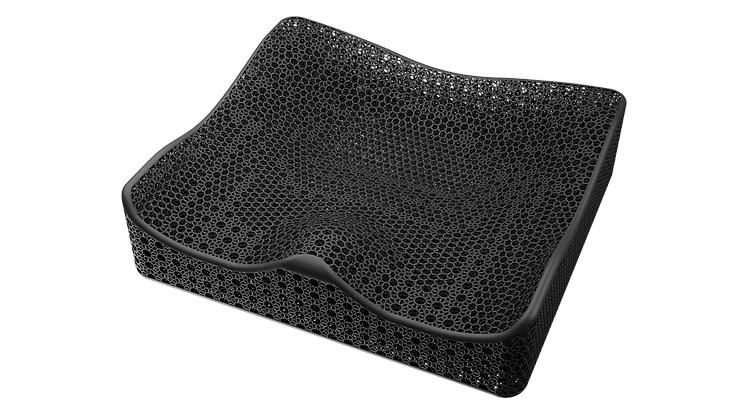
Verro Variable-Density Lattice (Lattice) is made from Kalogon’s variable-density lattice technology. This material is printed with varied firmness for locally customized support and reliefs, allowing each cushion to be soft where relief is needed and firm where support is needed. This revolutionary material is hydrophobic, airflow-friendly for microclimate and super easy to clean.
Featured in: Verro

.jpg)
Support without compromising comfort.
Verro’s Dual-Density Foam option combines a soft foam topper with a dense foam base to provide locally customized relief and support. Each cushion is created from the user’s scan or measurements to reflect their individual shape, positioning needs, and clinical goals.
Featured in: Verro
A more connected way to configure custom seating.
Launch Pad is Kalogon’s online configuration platform for designing and requesting custom seating products. It guides ATPs through measurements, product selections, and customizations while providing a visual representation of the design as it is created.
This real time online quote request form helps simplify the configuration process, improve communication, and create a faster path from evaluation to completed order.
Used to configure: Orbiter Med, Bondar, and Verro

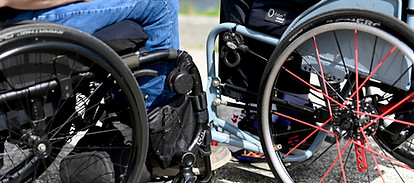
Orbiter Med’s APMS technology provides over 200 automated offload cycles per day*
*while in 2 minute redistribution mode
Clinical guidelines recommend offloading every
15 minutes
for 2 minutes each to avoid pressure injuries, but most users are able to far less frequently
91%
of pressure injuries are considered preventable
Total U.S. healthcare costs per year for pressure injuries exceed
$11B
2.5M
Americans will develop a pressure injury this year